


Research
3 min read
The electricity bill of intelligence: 415 TWh today, 945 TWh by 2030
Data centres consumed about 415 TWh in 2024 — roughly 1.5% of global electricity. The IEA expects that to more than double to about 945 TWh by 2030. AI does not break the grid, but it changes where and when the grid is stressed.
By A6X Editorial

Energy research · infrastructure
Every useful AI interaction ends in a physical place: a hall of servers, a power contract, a cooling loop and a grid connection. The International Energy Agency's Energy and AI work estimates that data centres consumed about 415 TWh in 2024 — roughly 1.5% of global electricity — and projects consumption to reach about 945 TWh by 2030, more than double today's level.
415 TWhData-centre electricity use in 2024
~1.5%Of global electricity
945 TWhProjected demand in 2030
>2×Demand growth in six years
The headline is not that AI will consume the world's electricity. It is that the growth is concentrated, lumpy and fast enough to collide with local grid constraints, land availability and community expectations.
Where the demand comes from
Training a frontier model is a dramatic burst of compute, but the sustained load comes from inference — the millions of everyday calls that answer questions, generate images, summarise documents and power agents. As inference costs fall and usage grows, total energy can rise even when energy per useful output improves. Efficiency changes the slope; demand changes the destination.
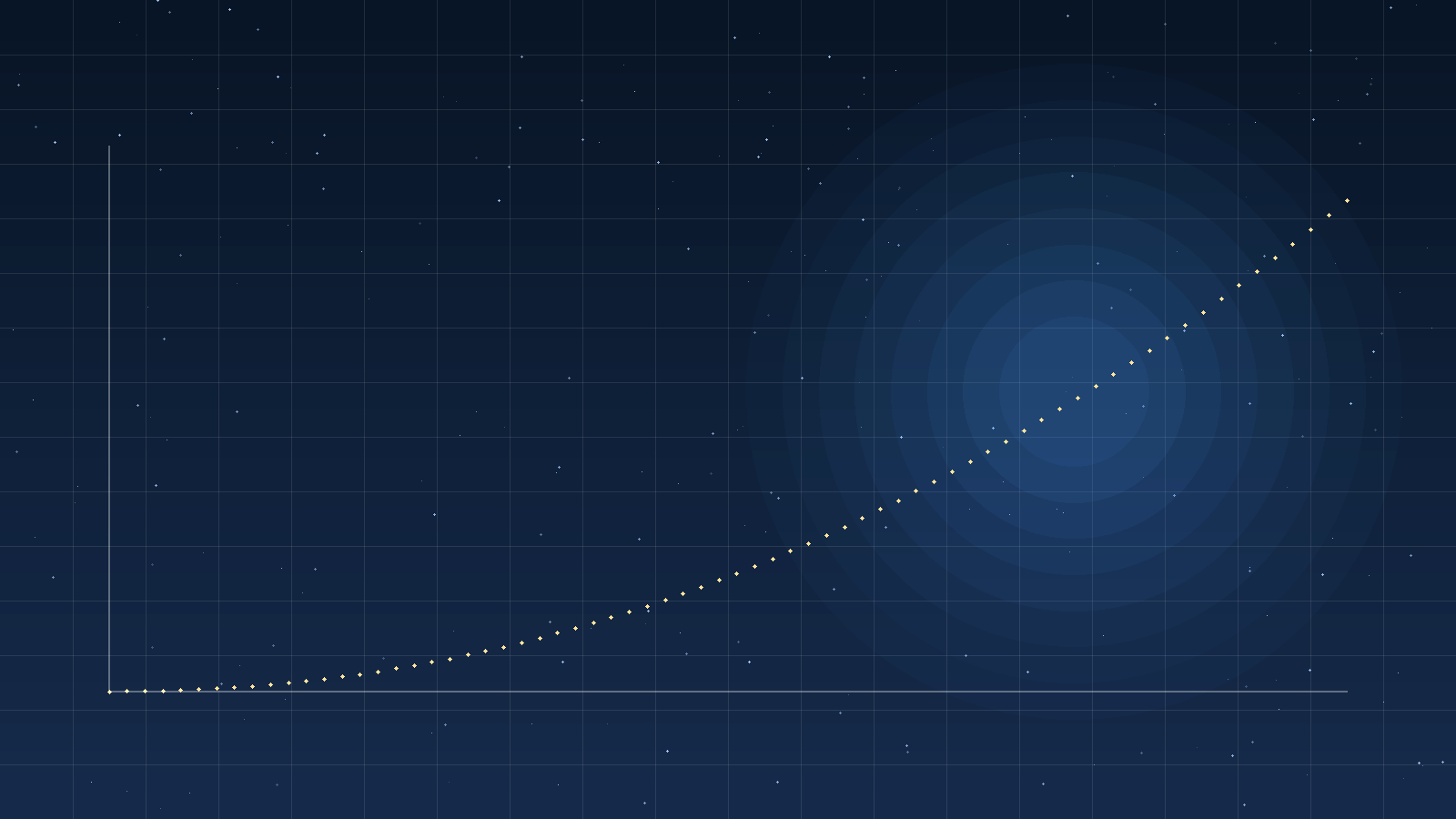
IEA, Energy and AI · 2024 estimate vs 2030 projection
Read the units correctly: 1.5% sounds small globally, but a single hyperscale campus can draw as much power as a small city. The relevant question for a region is not the global average — it is the local concentration and the timing of the load.
Efficiency is real, but it is not a plan
The industry has a strong efficiency track record: better accelerators, liquid cooling, higher utilisation, workload scheduling and renewable procurement all reduce the energy per token. But efficiency gains are partly reinvested in more capability and more usage. That is why projections can show both rapidly improving efficiency and rapidly growing total demand at the same time.
- Design for utilisation. Idle accelerators are expensive in both money and carbon. Scheduling, batching and right-sizing matter.
- Match workload to region. Carbon intensity and grid headroom differ by location and hour; flexible inference can move.
- Measure energy per task. Token counts are a proxy; business outcomes are the denominator that matters.
- Prefer smaller models where they pass the eval. The cheapest joule is the one you do not need.
The grid is the real constraint
Grid connections take years; model generations take months. That mismatch is pushing operators toward on-site generation, power purchase agreements and new cooling designs. It also makes energy strategy a product decision: latency-sensitive workloads stay near users, while batch workloads can follow cheap and clean power.
“The AI boom is not one energy story. Training, inference, networking and cooling have different load shapes — and different options for making them cleaner.”A6X Engineering — energy research note
Sources & further reading
Tagged
Related insights
Research
The cost curve of intelligence: what the AI index actually measured
Inference is roughly 280× cheaper for GPT-3.5-level quality than it was in late 2022 — while private AI investment reached $252.3B and frontier traini...
3 min read
Read

Research
Why Boring Infrastructure Wins
Clever infrastructure is impressive in a design document and expensive in production. Boring infrastructure is engineering that has been repeated enou...
1 min read
Read